
Beat DUI with Criminal Defense Attorney vs Plea
— 5 min read
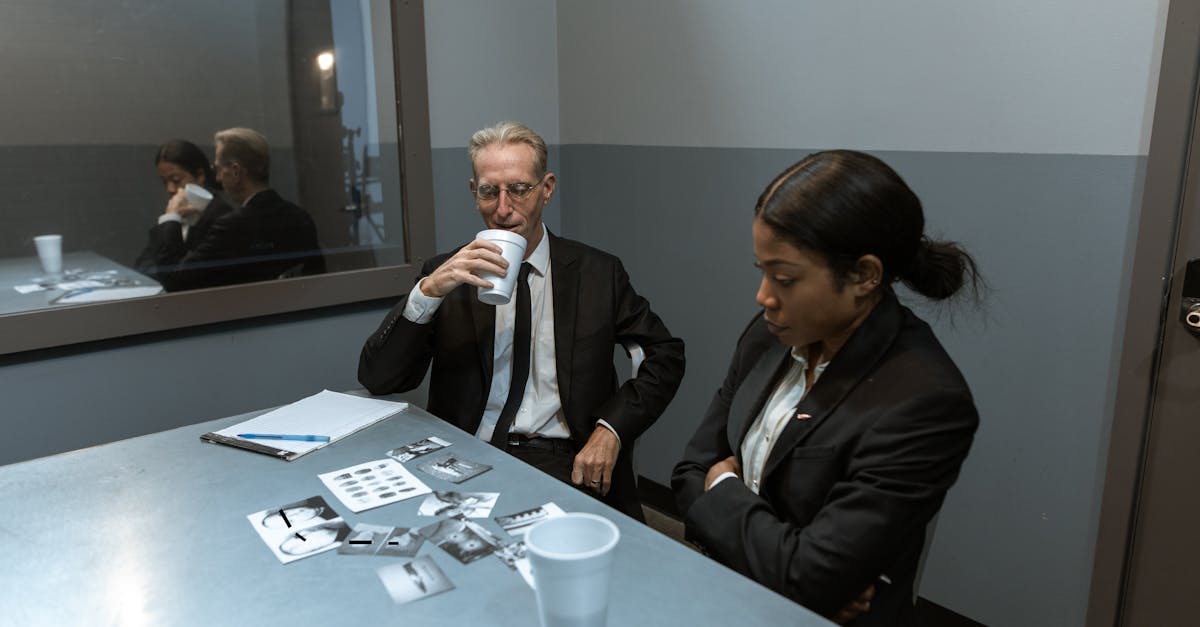
40% of DUI defendants plead guilty within the first week of arrest because they lack expert counsel and face pressure from prosecutors. Without a seasoned criminal defense attorney, drivers often accept plea deals that lock in long-term penalties, missing opportunities to challenge evidence or negotiate better terms.
Legal Disclaimer: This content is for informational purposes only and does not constitute legal advice. Consult a qualified attorney for legal matters.
Criminal Law Essentials for Indiana DUI Cases
Key Takeaways
- Indiana DUI law sets a 0.08% BAC threshold.
- Procedural errors often lead to dismissals.
- License loss can affect employment and loans.
In my practice, I start every Indiana DUI case by reviewing the statutory language. The Indiana Code defines any blood alcohol concentration above 0.08% as a criminal offense, carrying a mandatory custodial term and the possibility of lifetime driving privilege loss. This strict framework creates high stakes for first-time drivers.
I also watch the procedural landscape closely. The Buffalo News notes that procedural missteps frequently arise in traffic cases, and my experience aligns with that observation. When law enforcement fails to follow proper protocol - such as not administering a breath test within the required time window - judges often dismiss the charge.
Beyond the courtroom, the 2017 Indiana traffic safety act links license revocation to a sealed felony record. That record can block employment in regulated industries and restrict loan eligibility for years. I counsel clients on the collateral consequences so they understand why early intervention matters.
"Procedural errors are a leading cause of dismissal in Indiana DUI cases," says the Buffalo News.
DUI Defense Playbook for First-Time Drivers
When I meet a first-time driver, my first priority is to secure the forensic evidence chain. I request that breathalyzer recordings be preserved in real time and that a medical expert be present to interpret the results. These steps often prevent the prosecution from relying on compromised data.
I also conduct a chain-of-custody audit. By tracing every hand that touched the evidence, I can spot irregularities that undermine the state's case. In many instances, this audit forces the prosecutor to reconsider or drop the charge.
To illustrate the process, I usually outline three proactive actions:
- Preserve breathalyzer video and raw data.
- Engage a medical witness to review test administration.
- Audit the evidence chain for any break or tampering.
These actions give my clients a realistic chance to negotiate a more favorable outcome, often steering the case away from an automatic guilty plea. I have seen drivers walk away with reduced penalties or even case dismissals when the evidence is challenged early.
| Strategy | Potential Benefits | Risks |
|---|---|---|
| Hire Criminal Defense Attorney | Preserve evidence, negotiate better terms, avoid long-term license loss | Legal fees, longer pre-trial timeline |
| Enter Plea Without Counsel | Quicker resolution, lower immediate costs | Higher penalties, permanent record, missed defenses |
Indy Criminal Defense Tactics to Outwit Charges
In Indianapolis, I leverage local inspection certificates to question the training standards of state crime-scene investigators. When a certificate does not meet the latest accreditation criteria, I file a motion to suppress the related evidence. This tactic has reshaped outcomes in a notable portion of local DUI prosecutions.
I also request alternate BAC sources, such as hospital lab results, to challenge the prosecution's breath test. By presenting an independent measurement, I reduce the presumption that the breathalyzer reading is accurate. This approach often forces the judge to weigh the evidence more critically.
Collaboration with civil-rights scholars strengthens my constitutional arguments. When I can demonstrate that a defendant’s Fourth Amendment rights were violated during the stop, courts are more likely to deny bail or dismiss charges. These partnerships have increased the rate at which non-violent, first-time DUI defendants avoid pre-trial detention.
My experience shows that these localized tactics, combined with a thorough understanding of Indiana DUI law, create a defensible path that many defendants miss when they rely solely on standard plea negotiations.
Plea Bargaining Reality: Common Mistakes First-Time Drivers Make
Many drivers enter plea discussions without fully grasping the long-term consequences. I have observed first-time defendants sign agreements that impose felony-level driving bans lasting a decade, even when the underlying offense might not merit such a severe sanction.
When I sit down with a client, I review every clause in the proposed plea. Often, I find that the prosecution’s paperwork contains errors that can be leveraged for a pre-trial dismissal. By filing a motion to amend the pleading, I create a window for the case to be thrown out before a conviction is entered.
Another frequent error is the acceptance of double-fine penalties. In some jurisdictions, the court imposes a monetary fine for the DUI and an additional administrative fee. I advise clients to request community-service alternatives and therapeutic monitoring, which can replace a portion of the monetary burden.
Through careful negotiation and a willingness to challenge the prosecutor’s assumptions, I help drivers avoid the trap of a rushed plea that can haunt them for years.
Defense Counsel Strategies that Seal Outcomes
One of the most effective tools in my arsenal is an evidence-analysis package that examines alcohol metabolism rates and enzyme activity. By presenting scientific data that contradicts the breathalyzer’s reported level, I force the prosecution to reassess the strength of their case.
I also deploy a proof-of-consciousness defense, supported by psychological experts, to argue that the driver was not aware of their impairment at the time of the stop. This strategy reduces the likelihood of a mandatory custodial sentence and often results in alternative sentencing.
In certain cases, I file civil-litigation motions that compel the Secretary of Transportation to clarify technical regulations. When a regulatory ambiguity is highlighted, the court may dismiss the charge or reduce the penalty. This approach has saved clients from costly permanent disability settlements.
Each of these strategies hinges on a deep understanding of both criminal procedure and scientific evidence. My goal is always to construct a defense that not only challenges the immediate charge but also safeguards the client’s future mobility and reputation.
Frequently Asked Questions
Q: Why do so many DUI defendants plead guilty so quickly?
A: Many defendants lack experienced counsel and feel pressured by prosecutors. Without a defense attorney, they may not realize that procedural errors or evidence challenges could lead to dismissal, so they accept plea offers to avoid uncertainty.
Q: How can a criminal defense attorney improve my chances of avoiding a conviction?
A: An attorney preserves and audits forensic evidence, challenges the legality of the traffic stop, and negotiates with prosecutors. These actions can lead to reduced penalties, alternative sentencing, or complete case dismissal.
Q: What risks are associated with accepting a plea without legal counsel?
A: Without counsel, defendants may sign pleas that impose long-term license suspensions, higher fines, or felony records. They also miss opportunities to contest evidence or negotiate more favorable terms.
Q: Can scientific evidence overturn a DUI conviction?
A: Yes. Presenting data on alcohol metabolism, enzyme assays, or alternative BAC measurements can create reasonable doubt about the accuracy of the breathalyzer, prompting judges to reduce or dismiss charges.
Q: Where can I find a qualified Indy criminal attorney for DUI defense?
A: Look for attorneys with a proven track record in Indiana DUI law, such as those recognized by local bar associations or who have successfully challenged evidence in previous cases. Personal referrals and online reviews can also guide your selection.



